One is Never As Good As Two Should Be
Differences are the Key to Synergy and Creativity
LEGO pieces are fun because of the variety. Don’t limit yourself to building with just one kind of brick.

Differences are the Key to Synergy and Creativity
LEGO pieces are fun because of the variety. Don’t limit yourself to building with just one kind of brick.
Clear perception is the first step towards an effective response
When our glasses are dirty, our perception is off. It affects our ability to succeed, fail, and relax.
Five Proven Strategies to Strengthen Your Relationships
Pride can be a good thing—a tool to reward growth and development. If you let it get out of hand, it will become your greatest weakness.
5 Ways Another Perspective Will Help You Grow Faster
Without feedback, you’re stumbling around, going through the motions without creating real value. If you really want to grow, ask someone how you’re doing.
Three Questions to Turn Frustration to Your Advantage
When things don’t work out as planned, it’s frustrating. It’s okay to sulk, but the sooner you get past the disappointment, the sooner you can start shaping your world again.
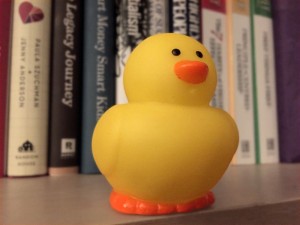
Let a little yellow friend help you find the answers to the tough questions
One of the most useful programming techniques I’ve picked up is one they definitely didn’t cover in college. It can help you sort out all kinds of problems.
Peel away the excuses until you get to the reason
Keep asking questions until you understand what happened and how to influence it. It’s a management technique that three-year-olds have down pat.
Stop making up reasons to be unhappy
You have enough problems to deal with without making up new ones. Take a step back and consider why you’re doing it.
When a need isn’t being met, all our energy goes to meeting it
When one of our basic needs isn’t being met, it’s like trying to drive a car with a flat tire. Stop and take time to fix it.
If you want to understand behavior, understand the needs that drive it
In 1943, Abraham Maslow described five fundamental levels of human needs. If you want to understand (or change) behavior, start by understanding the needs behind it.